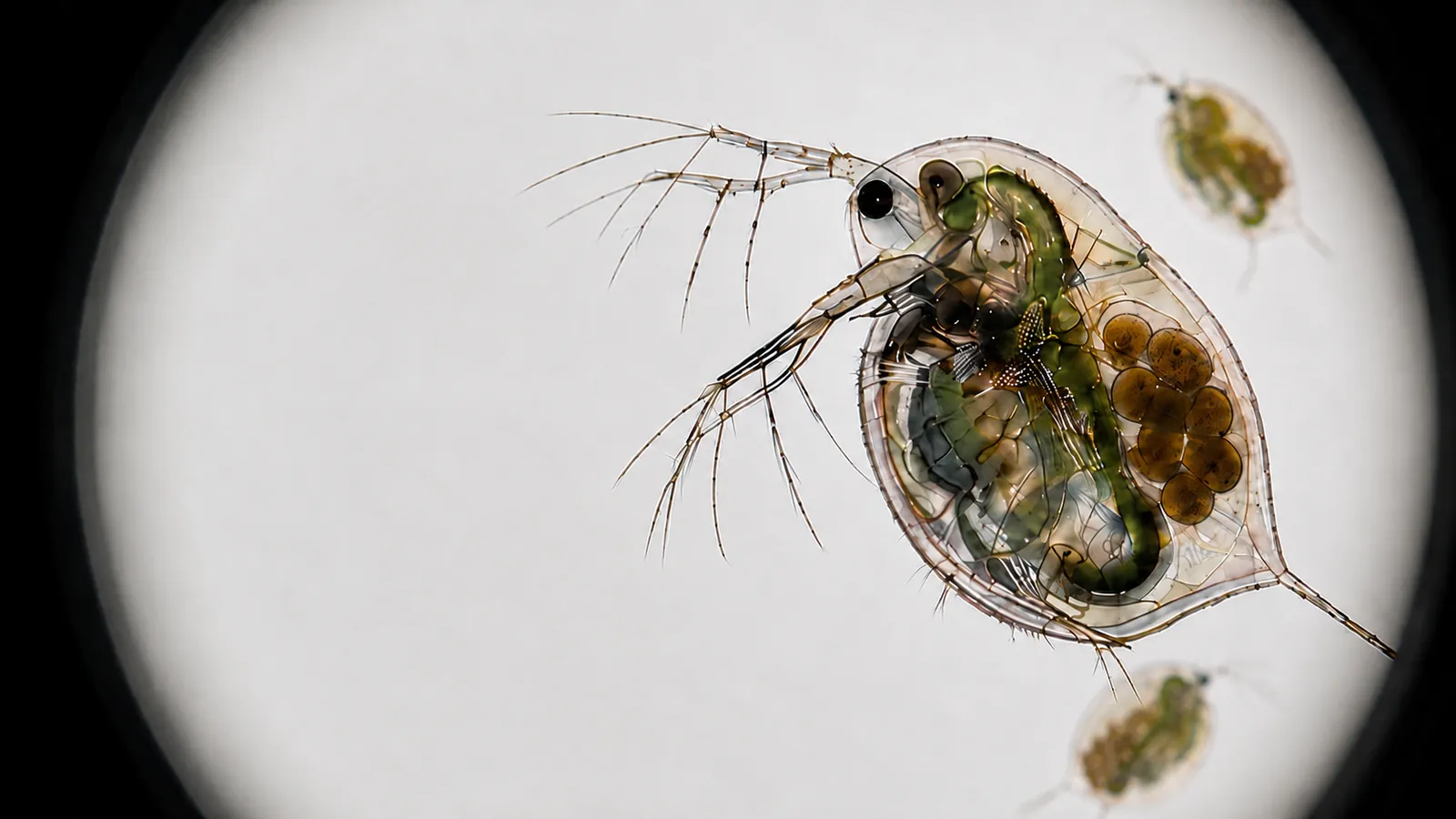
Daphnia culture room
Water fleas (Daphnia) used in ecotoxicity testing are cultured in house for a constant supply. Feed and water quality are managed to keep test results reliable.
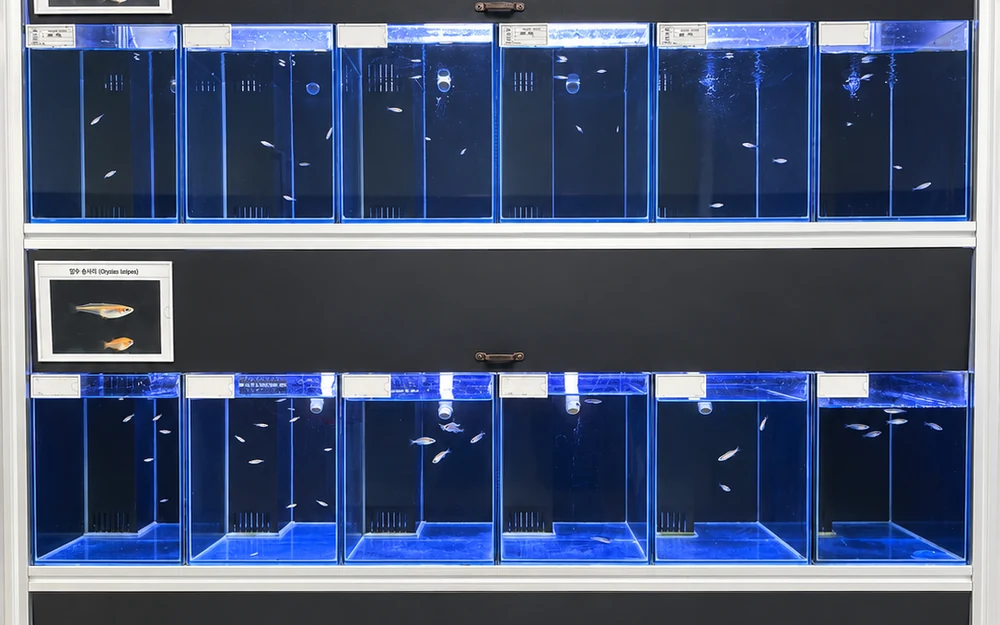
Test organism culture room
Amphipods (Monocorophium uenoi, Hyalella azteca) and fish (Japanese medaka, sheepshead minnow) cultured year-round, for our own tests and for supply.
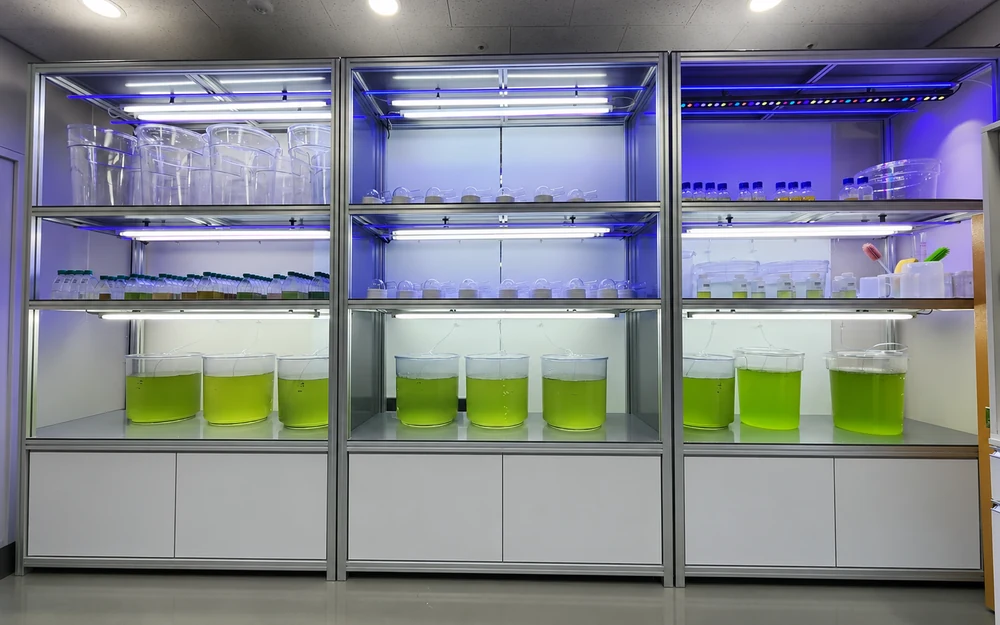
Microalgae culture room
Microalgae used in testing and in feed and material production are kept in continuous culture. Culture density and growth stage are managed for a stable supply.
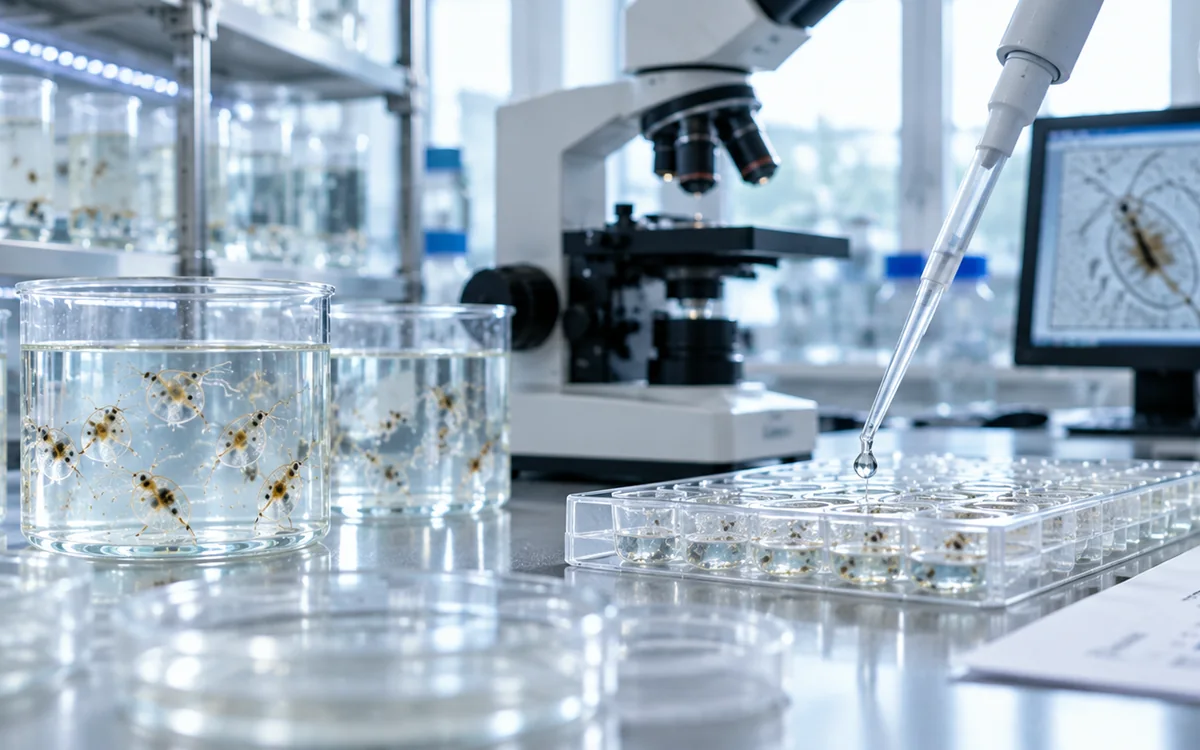
Ecotoxicity testing and assessment centre
Daphnia, luminescent bacteria and other test organisms for acute and chronic toxicity testing and TIE.
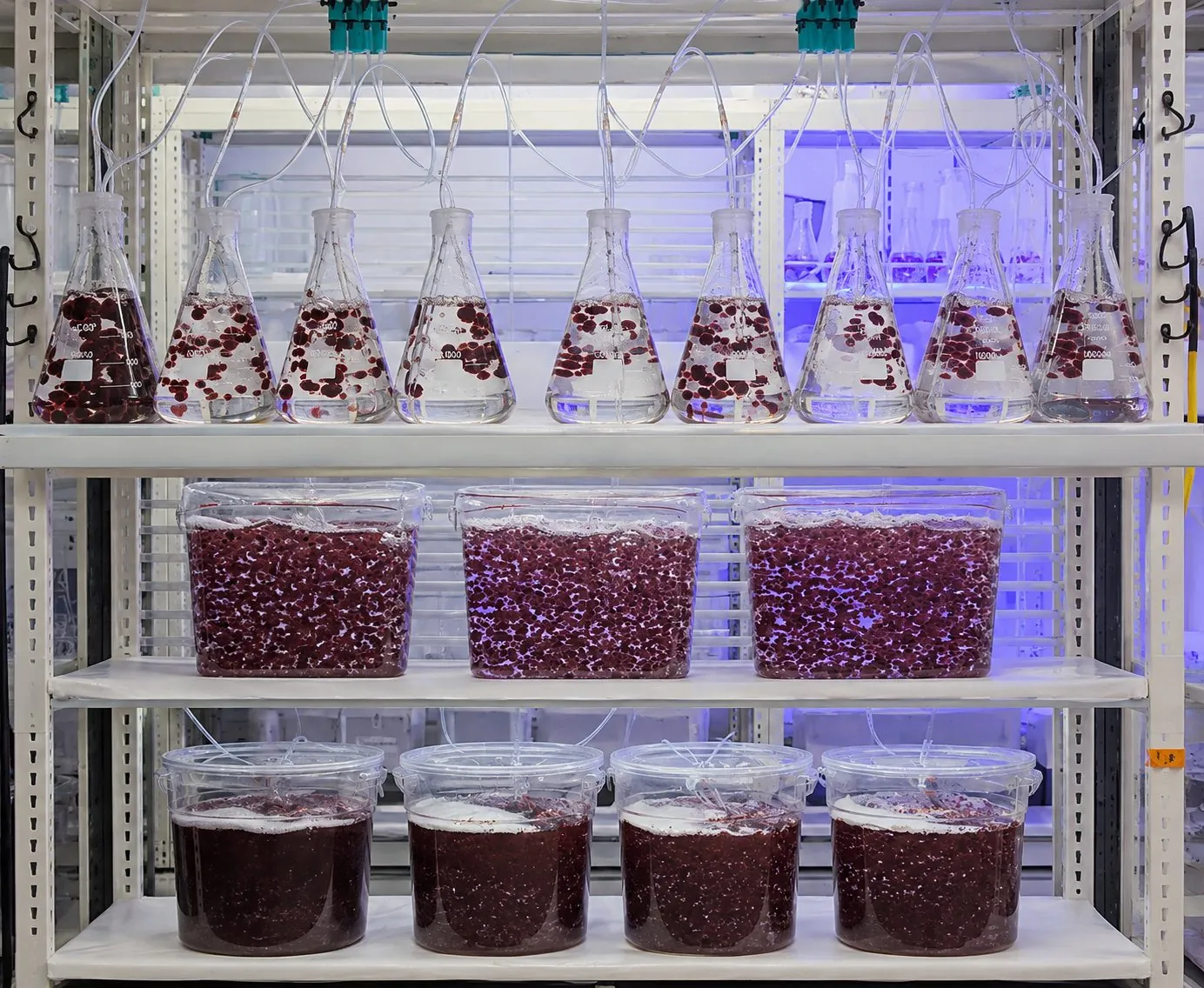
Seaweed and Asparagopsis culture room
Asparagopsis and other seaweeds are cultivated on land at scale. This supplies ingredients for methane-reducing feed and for material production.
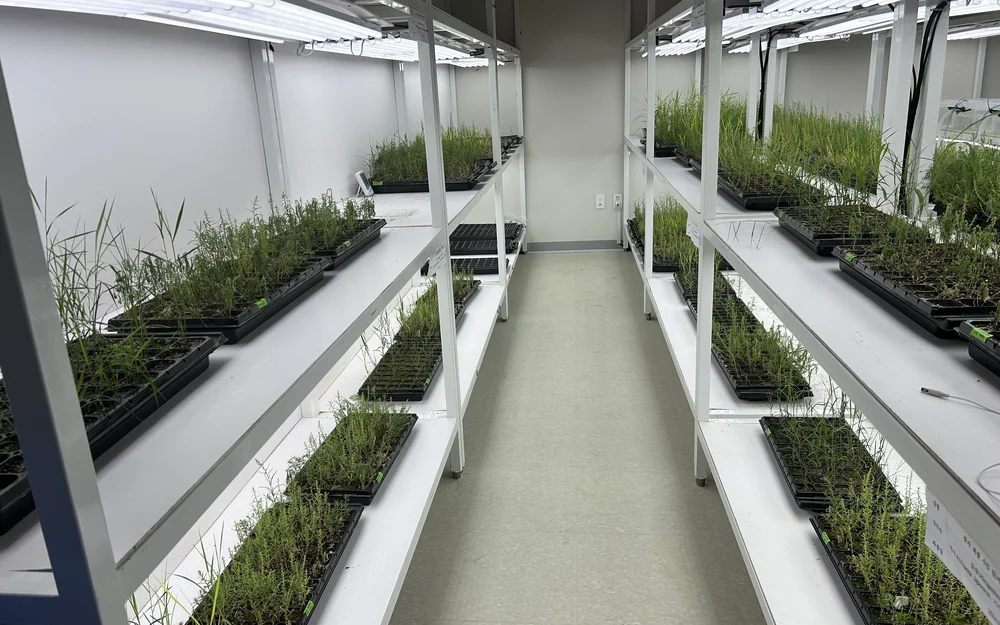
Halophyte seedling production facility
Halophytes for tidal flat restoration, raised from germination. Our own pericarp separator and sowing device enable large-scale planting.
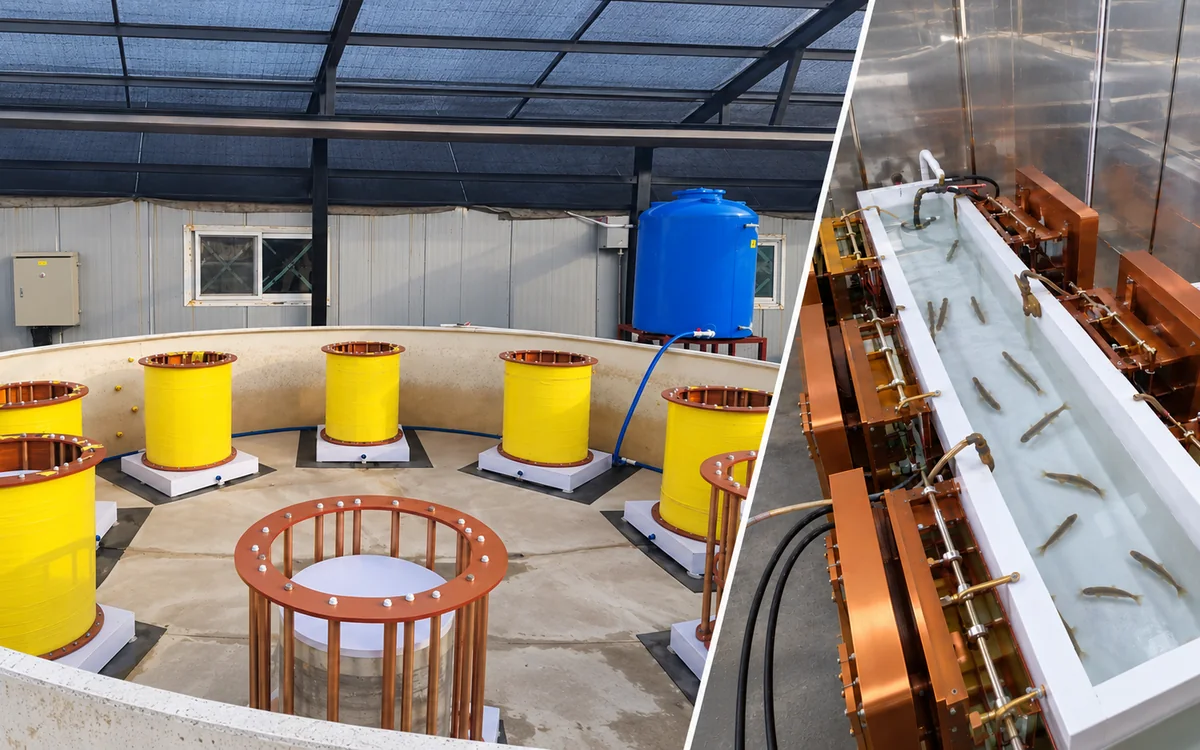
Biological impact mesocosm facility
Large outdoor and medium indoor tanks for testing how EMF, underwater noise and other physical stressors affect organisms, with treatment and control groups side by side.

Underwater EMF measurement equipment
An underwater ROV with 3-axis electric and magnetic field sensors measures EMF around subsea cables down to 50 m, first applied at a Korean offshore wind farm.
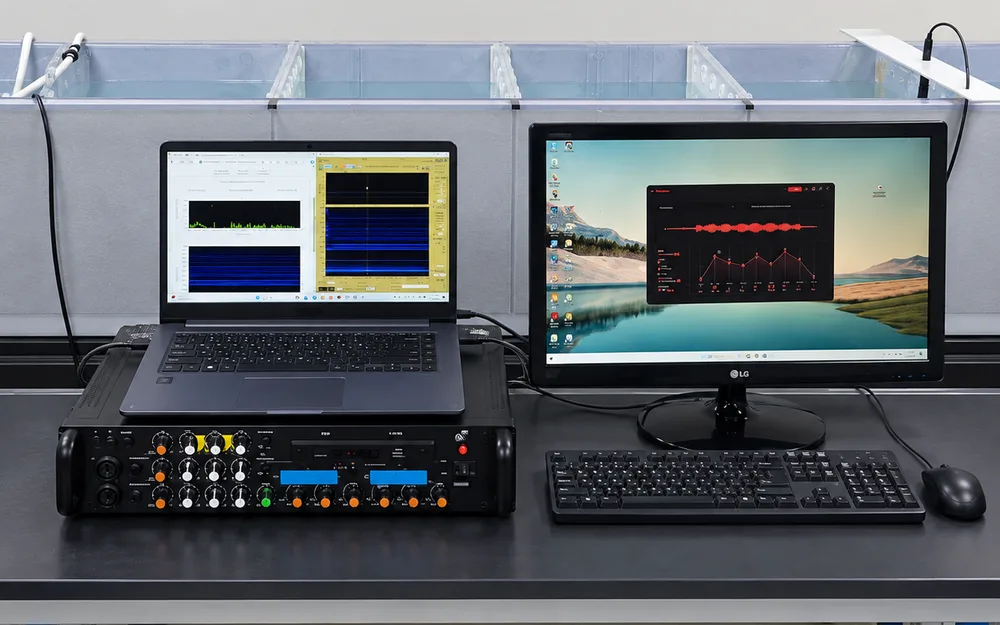
Fisheries impact laboratory
Sample analysis and reproduction experiments for fisheries impact surveys, verifying field samples under laboratory conditions.
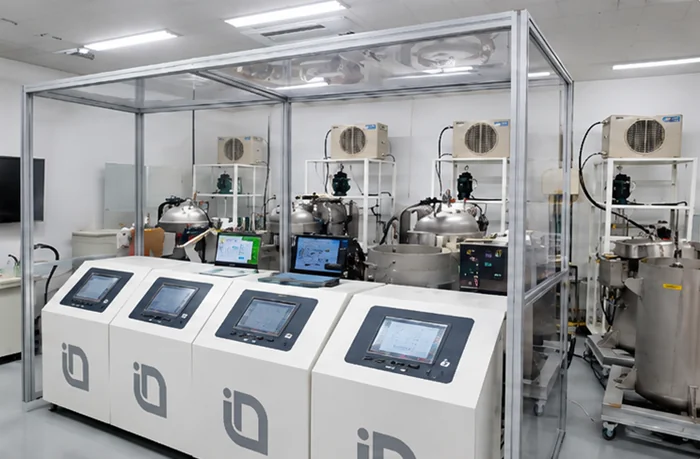
Deep-sea marine environment simulation chamber
Temperature, salinity, pressure and CO2 are controlled to reproduce deep-sea and future ocean conditions, for experiments on leaks from sub-seabed CO2 storage.