1
01/What problem do we address
Tracing toxicity, designing reductions
We analyse wastewater by sector to identify toxicity causes and propose reductions.
Wastewater by sectorTests tailored to each effluent
Marine-discharge effluent · salinity certificationImpact assessment with marine species
Secondary battery wastewaterHigh-salinity effluent toxicity
TIE · TRETIE to find the causative substances, TRE to reduce them
2
What we do
Effluent testing · Cause analysis · Reduction
Industrial Wastewater
Ecotoxicity management from exceedance checks to verified improvements
- Industrial wastewater treatment facility
- What we diagnose
- Discharge profiling
- Discharge profile from history and process data
- Ecotoxicity testing
- Ecotoxicity compared with process and component data
- Reduction · Retesting
- Reduction measures checked by retesting
- When to contact us
- Get in touch when
- We review your situation and scope the tests and review needed
- Ecotoxicity limit exceeded
- Recent exceedance or repeatedly high results
- Cause of toxicity unclear
- Cause unclear from process or water data
- Process or chemical changes
- Check after changes to inputs or treatment
- Checking reduction effects
- Retest to confirm ecotoxicity reduction
- Industrial wastewater management process
- From confirming toxicity to identifying causes and verifying reductions
- Step-by-step toxicity management linking discharge characteristics with bioassays
- Discharge review
- Process layout, discharge history, raw materials
- Toxicity tests
- Toxicity level vs limits
- TIE causes
- Causes traced by filtration, pH adjustment, adsorption
- TRE checks
- Retest after improvement and treatment
- Testing and analysis capability
- Assessment linking field surveys with precise analysis
- Field sampling
- Samples taken to reflect discharge points and process characteristics
- TIE · TRE techniques
- Identifying toxicity causes and verifying reduction effects
- Analytical instruments
- ICP-OES · SPE · HPLC · mercury analysis
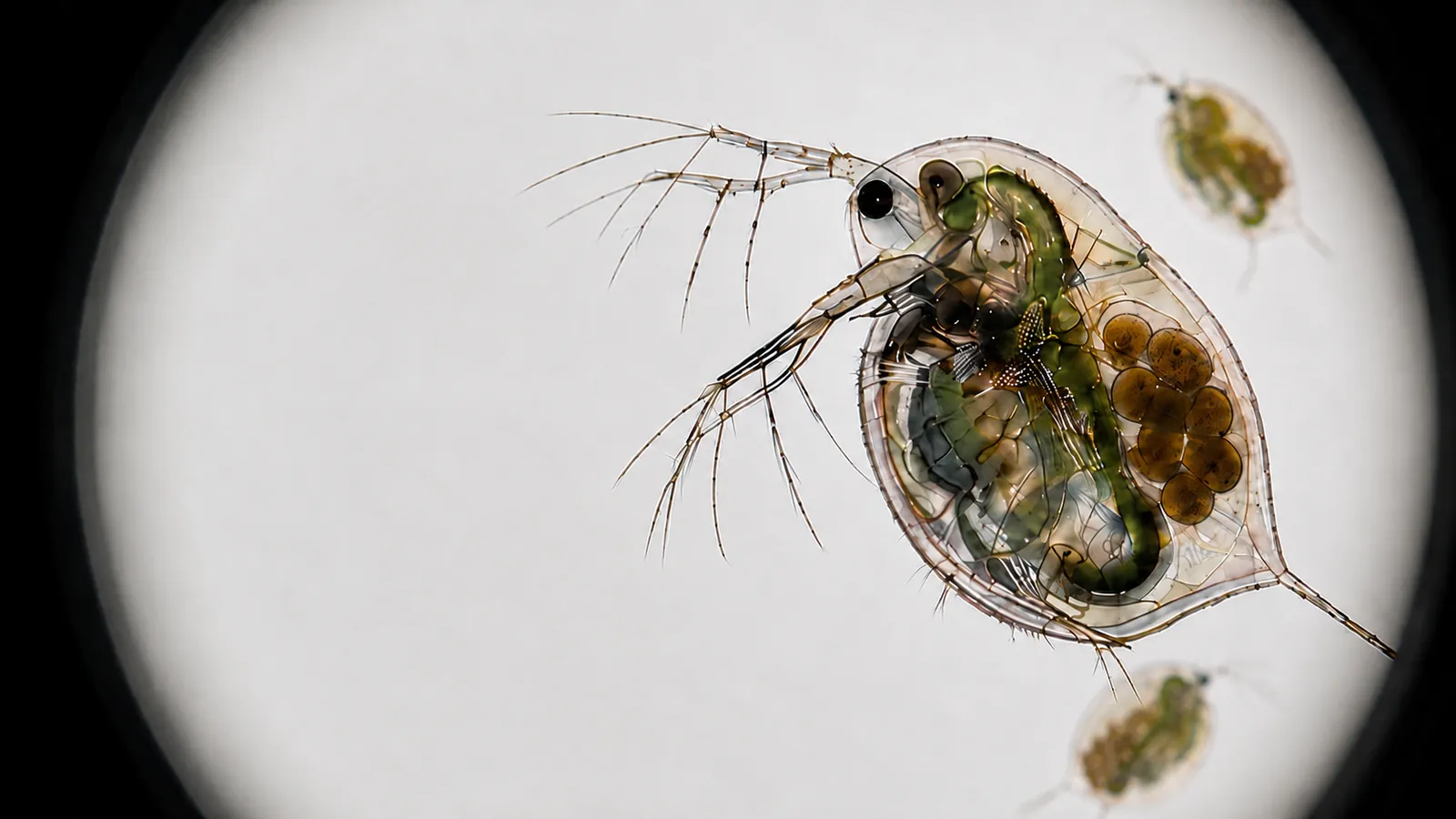
- Daphnia magna
- Daphnia ecotoxicity test
- Immobilisation observed after 24 hours of exposure
- Median effective concentration (EC50) and toxic unit (TU)
- Additional test organisms by purpose
- Luminescent bacteria
- Rotifers and others
- Ecotoxicity regulation
- Ecotoxicity limits and conditions by facility
- Test-organism toxicity compared with discharge and effluent limits
- Facility
- Area · Conditions
- Limit (TU)
- Wastewater discharge facilities
- Clean / Ga · Na · Special
- 1 or less / 2 or less
- Public wastewater treatment facilities
- Ⅰ · Ⅱ · Ⅲ · Ⅳ
- 1 or less
- Public sewage treatment facilities
- ※ Public sewage treatment facilities: applies to facilities of 500 m³/day or more that receive wastewater
- ※ Exemptions by facility or sector, separate limits and salt-related exceptions follow the relevant laws and permit conditions
- Marine discharge impact assessment
- From effluent management to ecological effects in the receiving sea
- Industrial effluent (e.g. secondary batteries, sewage and wastewater plants) and the receiving sea
- Discharge analysis
- Receiving-sea survey
- Ecological effects
- Management measures
- Field monitoring
- Water quality such as pH, DO, nutrients and heavy metals
- Contaminants in sediment and marine organisms
- Building long-term data and reviewing trends
- Luminescent bacteria and algal growth inhibition
- Crustacean immobilisation and fish embryo toxicity
- Test organisms chosen by target and medium
- Species sensitivity (SSD)
- Species sensitivity compared; HC5 derived
- Risk review linked with field exposure data
- Evidence-based effluent management measures
5
Get in touch
Contact for this area
Need a test or a quote?
We’ll route your enquiry to the right team.
Or email or call us.
6
6Getting in touch